Beginning with Nearpod interactive lessons, the narrative unfolds in a compelling and distinctive manner, drawing readers into a story that promises to be both engaging and uniquely memorable.
Nearpod offers a range of innovative features designed to elevate the classroom experience, from interactive quizzes to virtual reality integrations. These tools empower educators to create dynamic lessons that captivate students’ attention and foster deeper understanding.
Understanding Nearpod Interactive Lessons
Nearpod is an innovative educational platform designed to facilitate interactive learning experiences in the classroom. It allows educators to create dynamic lessons that engage students through various interactive elements. The core features of Nearpod, such as real-time assessments, multimedia integration, and collaborative activities, significantly enhance the learning process by making it more participatory and engaging.Nearpod offers a variety of lesson types, each tailored to meet different educational objectives.
These include interactive slides, virtual field trips, 3D objects, and gamified lessons. Each lesson type is designed to not only present information but also to actively involve students in the learning process. For instance, interactive slides can include quizzes, polls, and open-ended questions, allowing teachers to gauge student understanding in real time. Virtual field trips transport students to locations around the world, providing immersive experiences that traditional classrooms cannot offer.
Core Features of Nearpod
The features of Nearpod play a crucial role in enhancing student engagement and understanding. These include:
- Real-time Feedback: Teachers can assess student comprehension instantly through quizzes and polls integrated into lessons, allowing for immediate instructional adjustments.
- Multimedia Integration: Nearpod supports a wide range of multimedia, including videos, images, and audio files, which cater to diverse learning styles and help maintain student interest.
- Collaboration Tools: Features like draw-it and collaborative boards enable students to work together, fostering teamwork and peer learning.
- Accessibility Options: Nearpod provides various tools to support learners with different needs, ensuring inclusivity in the classroom.
The educational impact of using interactive lessons through Nearpod is profound. Research shows that interactive learning environments enhance retention, understanding, and motivation among students. By participating actively in their learning, students are more likely to remember the material and apply it in practical situations. For example, studies have indicated that students who engage with interactive content score higher on assessments compared to those who learn passively from traditional lectures.
Moreover, educators can utilize Nearpod’s analytics to track student performance over time, providing valuable insights that can inform future lesson planning. This data-driven approach helps in identifying areas where students may struggle, allowing teachers to tailor their instruction accordingly.
Interactive learning through platforms like Nearpod not only enhances engagement but also fosters deeper understanding and retention of information among students.
Educational Tools and Techniques in Nearpod
Nearpod is a versatile platform designed to create interactive and engaging learning experiences for students. With a variety of educational tools integrated into the Nearpod system, educators can effectively enhance lesson delivery and student engagement. Understanding these tools and techniques allows teachers to tailor their lessons to meet diverse learning needs while maintaining an interactive classroom environment.
Nearpod offers numerous features that can be seamlessly incorporated into existing teaching practices. By integrating Nearpod into daily instruction, educators can enhance student participation, facilitate assessments, and provide personalized learning experiences. This engagement not only helps in reinforcing concepts but also encourages critical thinking and collaboration among students.
Integrated Educational Tools in Nearpod
Several educational tools within Nearpod empower teachers to create interactive content and foster student engagement. Familiarizing oneself with these tools is crucial for effective lesson delivery. Key tools include the following:
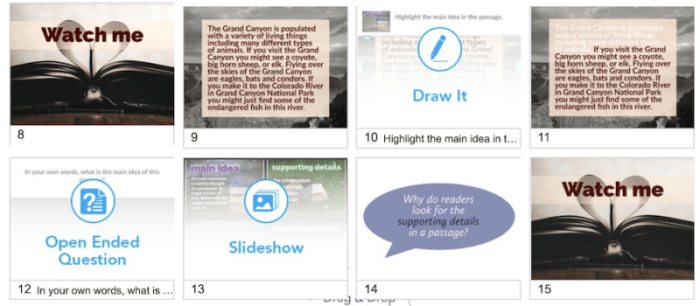
- Interactive Slides: Teachers can create dynamic presentations that incorporate multimedia elements, such as videos, images, and audio clips, to keep students engaged.
- Quizzes and Polls: Real-time assessments can be integrated into lessons, allowing educators to gauge student understanding and adjust instructional strategies accordingly.
- Virtual Reality (VR): Nearpod offers VR experiences that transport students to different environments, enhancing their understanding of complex topics through immersive learning.
- Collaborative Boards: This feature enables students to share ideas, questions, and resources with each other, promoting peer learning and collaboration.
- Lesson Library: Educators can access a vast library of pre-made lessons and activities to incorporate into their curriculum, saving time and effort in lesson planning.
Incorporating Nearpod into Teaching Practices
Integrating Nearpod into existing teaching practices involves several strategies that enhance the overall learning experience. By leveraging its features, educators can create a more interactive classroom environment. Key methods include:
- Flipped Classroom Model: Teachers can assign Nearpod lessons as homework, allowing students to explore content at their own pace and come prepared for in-class discussions.
- Real-Time Feedback: Using polls and quizzes during lessons provides immediate feedback, enabling teachers to identify areas where students may be struggling.
- Group Activities: Educators can design collaborative activities that require students to work together using Nearpod’s tools, fostering teamwork and communication skills.
- Customization: Teachers can personalize lessons by incorporating specific content that aligns with their curriculum, ensuring that each lesson is relevant and engaging for their students.
Creating Engaging Content with Nearpod Features
Creating engaging content on Nearpod requires a thoughtful approach to using its diverse features. By leveraging these options, educators can design lessons that captivate students’ attention and enhance learning outcomes.
- Incorporating Multimedia: Using videos, audio, and images can help illustrate complex concepts and maintain student interest throughout the lesson.
- Interactive Assessments: Including quizzes and interactive questions throughout the lesson allows educators to keep students engaged while assessing their understanding of the material.
- Gamification: Integrating game-like elements, such as points and badges, can motivate students to participate actively in lessons.
- Storytelling: Crafting lessons around a narrative or real-world scenario can make content more relatable and memorable for students.
“Engagement is the key to effective learning; with Nearpod, teachers have the tools to captivate their students and create memorable educational experiences.”
Engaging Students with Interactive Lessons
Creating interactive lessons with Nearpod offers educators an innovative approach to boost student engagement and participation. By integrating various multimedia elements and real-time assessments, teachers can transform traditional classroom dynamics into vibrant, interactive learning experiences. This section delves into effective strategies, the benefits of real-time assessment, and tailored approaches to meet diverse student needs through the Nearpod platform.
Design Strategies for Increasing Student Participation
To effectively engage students in a Nearpod lesson, educators can implement several design strategies aimed at fostering active participation. Integrating interactive quizzes, polls, and collaborative activities such as virtual whiteboards can significantly enhance student involvement. The visual appeal of Nearpod’s multimedia features, including videos, images, and 3D models, captivates students’ attention and encourages exploration.
- Interactive Quizzes: Including quizzes throughout the lesson encourages students to actively think and respond, reinforcing their learning as they progress.
- Virtual Field Trips: Using Nearpod’s virtual field trips allows students to explore new environments, stimulating curiosity and engagement.
- Collaborative Activities: Features such as the Draw It tool enable students to collaborate creatively, allowing for peer-to-peer interaction and idea sharing.
Benefits of Real-Time Assessment
Real-time assessment is a powerful feature of Nearpod that provides immediate feedback to both educators and students. This instant feedback mechanism is vital in understanding students’ grasp of the material, allowing for timely interventions when necessary. Educators can adjust their teaching strategies based on live data, ensuring that learning remains on track and effectively addressing any areas of difficulty.
“Real-time assessments help teachers identify misconceptions and tailor their instruction, which leads to improved learning outcomes.”
The ability to monitor student progress in real time not only enhances the learning experience but also fosters a sense of accountability among students, motivating them to stay engaged and committed to their studies.
Utilizing Nearpod for Differentiated Instruction
Tailoring instruction to meet diverse student needs is essential in any classroom. Nearpod offers numerous ways to differentiate lessons effectively. By incorporating personalized learning paths and adaptive assessments, educators can cater to varying learning styles and abilities.The following strategies highlight how Nearpod can be used for differentiated instruction:
- Adaptive Learning Paths: Create customized pathways for students based on their performance, allowing them to progress at their own pace.
- Choice Boards: Provide students with options to choose from a variety of activities, promoting autonomy and catering to their interests.
- Varied Content Delivery: Use multimedia resources to present information in multiple formats, appealing to visual, auditory, and kinesthetic learners.
- Peer Teaching: Encourage students to collaborate in small groups, allowing them to teach each other based on their strengths and understanding.
These methods not only enhance student engagement but also ensure that all learners feel valued and supported in their educational journey.
Summary
As we wrap up our exploration of Nearpod interactive lessons, it’s clear that this platform is transforming the educational landscape. By leveraging its features, teachers can create immersive learning environments that not only engage students but also enhance their overall educational experience.
Quick FAQs
What devices are compatible with Nearpod?
Nearpod is compatible with most devices, including desktops, laptops, tablets, and smartphones across various operating systems.
Can students access Nearpod lessons at home?
Yes, students can access Nearpod lessons from home using a unique code provided by their teacher.
Is Nearpod free to use?
Nearpod offers both free and paid subscription plans, with additional features available in the paid versions.
How do Nearpod lessons support diverse learning needs?
Nearpod lessons include tools for differentiation, such as adjustable reading levels and varied assessment types, catering to diverse student needs.
Can I integrate Nearpod with other educational platforms?
Yes, Nearpod can be integrated with various educational platforms, including Google Classroom and Microsoft Teams, for a seamless teaching experience.


