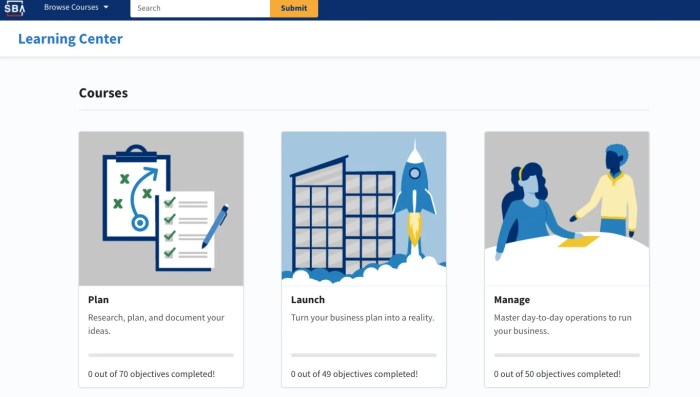
With Entrepreneurship online learning paving the way for aspiring business leaders, this journey offers a treasure trove of opportunities and knowledge. Imagine diving into a world where you can learn at your own pace, surrounded by a community of like-minded individuals, all eager to turn their ideas into reality. The blend of technology and education is reshaping how we acquire the essential skills needed for success in the entrepreneurial landscape.
As we explore the various online platforms dedicated to entrepreneurship, we’ll uncover the unique advantages and challenges they present, the crucial skills they teach, and how they compare to traditional educational methods. This discussion will not only highlight the tools available but also provide insights into the future of entrepreneurship education in a digital age.
Online Learning Platforms for Entrepreneurship
With the rise of digital education, aspiring entrepreneurs have access to a plethora of online learning platforms that offer comprehensive courses tailored to their needs. These platforms provide valuable resources, expert insights, and community support, making entrepreneurship education more accessible than ever.Each platform comes with its unique set of features, advantages, and disadvantages. Understanding these can help budding entrepreneurs choose the right learning environment that aligns with their goals.
Here’s an overview of some popular platforms:
Overview of Popular Platforms
Several online platforms have gained recognition for their entrepreneurship courses due to their engaging content and delivery methods. Below are key platforms worth considering, along with their pros and cons:
- Coursera
- Advantages: Offers courses from top universities and business schools globally, providing certificates upon completion. The variety of subjects helps learners tailor their education to specific interests.
- Disadvantages: Some courses can be expensive, and there may be a time commitment required for certain programs, which can be challenging for busy entrepreneurs.
- Udemy
- Advantages: Features a vast range of courses at various price points, often with frequent discounts. Many courses are immediately accessible, making it easy to get started without a lengthy application process.
- Disadvantages: Quality can vary significantly between courses, as anyone can create a course. This necessitates careful selection and review of instructors.
- LinkedIn Learning
- Advantages: Integrates with LinkedIn profiles, allowing users to showcase completed courses to potential employers or clients. Provides a focus on practical skills relevant to the business environment.
- Disadvantages: Monthly subscription fees can add up, and the depth of some courses may not be sufficient for learners seeking in-depth knowledge.
- edX
- Advantages: Collaborates with prestigious institutions to deliver high-quality course material. Offers a path to micro-degrees and professional certificates, making it appealing for serious learners.
- Disadvantages: Some courses can be rigorous and time-intensive, which may deter casual learners or those with limited availability.
Key Features of Effective Online Learning Platforms
An effective online learning platform for entrepreneurship education should encompass various key features that enhance the learning experience. These include:
- Interactive Content: Engaging multimedia resources, such as videos, quizzes, and interactive case studies, can significantly enhance understanding and retention of material.
- Mentorship Opportunities: Access to experienced entrepreneurs and mentors can provide invaluable guidance and real-world insights that enrich the learning journey.
- Networking Capabilities: Platforms that foster a community atmosphere allow learners to connect with peers, share experiences, and collaborate on projects, enhancing the educational experience.
- Progress Tracking: Effective platforms should offer tools to monitor progress, set goals, and provide feedback, empowering students to stay motivated and on track.
- Mobile Accessibility: A user-friendly mobile interface enables learners to access courses anytime and anywhere, accommodating diverse schedules and lifestyles.
Choosing the right online platform can significantly impact the entrepreneurial journey, providing essential skills and knowledge that pave the way for success.
Essential Skills in Entrepreneurship Education
In the rapidly evolving world of entrepreneurship, acquiring essential skills is crucial for aspiring business owners. Online courses are designed to equip learners with the necessary tools to succeed in their entrepreneurial ventures. These skills range from leadership and marketing to financial literacy, each pivotal in navigating the complexities of building and running a business.Online learning platforms enhance entrepreneurial skills by offering tailored content that is accessible anytime and anywhere.
This flexibility allows learners to study at their own pace while engaging with interactive materials, case studies, and real-world applications. The focus on essential skills ensures that participants not only learn theoretical concepts but also gain practical insights that can be applied in their entrepreneurial journeys.
Core Skills Addressed in Online Entrepreneurship Courses
Entrepreneurship education emphasizes a variety of core skills that are vital for success. The following skills are commonly highlighted in online courses:
- Leadership: Effective leadership is crucial for guiding teams and making strategic decisions. Online courses often include modules on leadership styles, team dynamics, and conflict resolution, helping entrepreneurs foster a positive work environment.
- Marketing: Understanding marketing strategies is essential in reaching target audiences. Courses cover digital marketing, branding, and customer engagement techniques, allowing entrepreneurs to effectively promote their products or services.
- Financial Literacy: Financial management is a cornerstone of business success. Online programs teach budgeting, financial forecasting, and cash flow management, enabling entrepreneurs to make informed financial decisions.
- Networking Skills: Building relationships is key in entrepreneurship. Online courses often include lessons on networking strategies, helping entrepreneurs connect with mentors, investors, and peers.
- Problem-Solving: Entrepreneurs face numerous challenges. Courses focus on critical thinking and innovative problem-solving techniques, empowering individuals to navigate obstacles creatively.
Enhancing Skills through Online Learning
Online learning platforms offer diverse methodologies to enhance skills in entrepreneurship. Interactive elements, such as quizzes, discussion forums, and live webinars, encourage active participation. Real-life case studies provide context and illustrate the application of skills in actual business scenarios. For instance, a course might analyze successful startups and the marketing techniques they employed, enabling learners to draw lessons from real-world examples.Furthermore, online courses often incorporate mentorship opportunities.
Many platforms connect learners with industry experts who can provide insights, feedback, and guidance. This one-on-one interaction enhances the learning experience and enables learners to apply their skills more effectively.
Evaluating Progress in Acquiring Skills
To ensure effective skill acquisition, learners should establish methods for evaluating their progress in entrepreneurship education. Regular self-assessment can provide insights into areas of strength and those needing improvement. One effective method is to set measurable goals that align with the skills being developed. For instance, aspiring marketers could aim to launch a social media campaign and analyze its performance metrics.
Additionally, engaging in peer reviews and collaborative projects can provide valuable feedback. By sharing experiences with fellow learners, individuals can gain different perspectives on their skill application and identify areas for growth.
Regular self-evaluation and peer feedback are key components in assessing progress in entrepreneurial skill development.
The Future of Entrepreneurship Online Learning
The landscape of entrepreneurship education is rapidly evolving, with online learning platforms at the forefront of this transformation. As technology continues to advance, entrepreneurs have unprecedented access to educational resources that cater to their unique needs. This shift not only democratizes entrepreneurship education but also enhances the learning experience through innovative methods and tools. By exploring emerging trends and comparing traditional education methods with online alternatives, we can better understand how the future of entrepreneurship learning is taking shape.
Emerging Trends in Online Entrepreneurship Education
Several key trends are shaping the future of online entrepreneurship education, each carrying implications for learners aiming to thrive in a competitive environment. These trends include personalized learning, micro-credentials, and the integration of artificial intelligence (AI) in course delivery. Personalized learning allows participants to tailor their educational journey according to their specific interests, strengths, and weaknesses. For instance, platforms like Coursera and Udacity offer adaptive learning technologies that adjust course content based on individual performance.
Micro-credentials provide targeted skill development, enabling learners to gain specific competencies quickly rather than committing to lengthy degree programs. This is particularly appealing for entrepreneurs who need to stay agile and acquire new skills rapidly to meet market demands. AI is revolutionizing the way courses are delivered, enhancing interactivity and engagement through chatbots and intelligent tutoring systems. These tools can simulate real-world business scenarios, offering learners hands-on experience that is essential for entrepreneurial success.
Comparison of Traditional and Online Learning Methods
The contrast between traditional education methods and the evolving landscape of online learning is stark, with important implications for aspiring entrepreneurs. Traditional education often relies on a one-size-fits-all approach, where students attend lectures and complete standardized assessments. This can limit flexibility and may not address diverse learning styles.In contrast, online learning fosters a more dynamic and individualized approach. Entrepreneurs can engage with asynchronous content, allowing them to learn at their own pace and revisit materials as needed.
For example, platforms like Skillshare promote peer-to-peer learning, where students can share insights and feedback, enriching the educational experience.Moreover, the incorporation of real-world case studies, interactive simulations, and access to global networks enhances practical knowledge that traditional education may lack. This shift towards experiential learning is crucial in preparing entrepreneurs to tackle the complexities of the business world.
Technology’s Impact on Online Entrepreneurship Education
Technological advancements are fundamentally reshaping how entrepreneurship is taught online, creating new opportunities for engagement and knowledge acquisition. Virtual reality (VR) and augmented reality (AR) are emerging tools that provide immersive learning experiences, allowing learners to simulate business environments and make critical decisions in real-time.Additionally, video conferencing technologies facilitate live collaboration and mentorship opportunities with industry experts, bridging geographical gaps.
This is particularly important for entrepreneurs seeking guidance from seasoned professionals or venture capitalists.Blockchain technology is also making waves in the educational sector by ensuring transparency and security in credentialing. As a result, online learners can authenticate their achievements more easily, gaining recognition for their skills and knowledge in the marketplace.Overall, the integration of these technologies not only enhances the learning process but also prepares entrepreneurs for a digital-first economy, where adaptability and tech-savviness are paramount.
Ultimate Conclusion

In conclusion, entrepreneurship online learning is not just a trend; it’s a transformative approach to education that equips individuals with the skills and knowledge needed to thrive in the business world. As we adapt to new technologies and learning methods, the landscape of entrepreneurship education will continue to evolve, offering even greater opportunities for innovation and success. Whether you’re just starting or looking to elevate your skills, the world of online learning is ripe with potential.
Questions Often Asked
What are some popular online platforms for entrepreneurship learning?
Some popular platforms include Coursera, Udemy, LinkedIn Learning, and edX, each offering a range of courses tailored to aspiring entrepreneurs.
How can I measure my progress in online entrepreneurship courses?
You can measure progress by completing quizzes and assignments, seeking feedback from instructors, and setting personal learning goals to track your development.
Are online entrepreneurship courses worth the investment?
Yes, many online courses provide valuable insights, practical skills, and networking opportunities that can significantly enhance your entrepreneurial journey.
Can I learn entrepreneurship without prior business knowledge?
Absolutely! Many courses are designed for beginners and will guide you through the essential concepts and skills needed to get started.
What skills are most important to learn in entrepreneurship?
Key skills include leadership, marketing, financial management, and problem-solving, which are essential for running a successful business.


