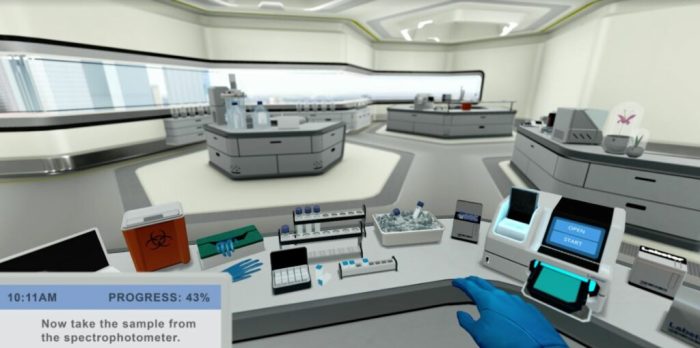
Virtual science labs are revolutionizing the learning landscape, offering students an innovative way to engage with scientific concepts without the limitations of traditional lab settings. These labs provide a dynamic platform for experimentation and discovery, allowing learners to explore complex scientific principles through interactive simulations and virtual experiments.
With advancements in technology, such as augmented reality and online simulation tools, virtual science labs have become accessible to a wider range of students and educators. They cater to various learning styles and promote hands-on experience, which is critical in fostering a deeper understanding of scientific principles.
Virtual Science Labs Overview
Virtual science labs represent a transformative approach to science education, enabling students to engage with scientific concepts through interactive simulations and online experiments. These labs serve as a bridge between theoretical learning and practical application, allowing learners to explore complex scientific phenomena without the constraints of traditional laboratory setups. The significance of virtual science labs lies in their ability to enhance accessibility, foster experiential learning, and accommodate diverse learning styles.The rise of virtual science labs has been largely fueled by advancements in technology, particularly in software development, high-speed internet access, and user-friendly interfaces.
Innovations such as virtual reality (VR), augmented reality (AR), and cloud computing have made it possible to create immersive learning environments that replicate the hands-on experience of physical labs. These technological developments have empowered educators and students alike to experiment, visualize, and analyze scientific data in a dynamic and engaging way.
Primary Users of Virtual Science Labs in Educational Settings
Virtual science labs cater to a variety of users within educational environments. The following groups primarily benefit from these innovative platforms:
- Students: Learners from various educational levels utilize virtual labs to conduct experiments, explore scientific concepts, and gain practical skills in a safe and controlled setting.
- Educators: Teachers leverage virtual science labs as teaching tools to enhance curriculum delivery, assign experiments, and assess student understanding without the logistical challenges of physical labs.
- Researchers: Academic researchers and institutions employ virtual labs for educational research, exploring how digital tools can impact learning outcomes and engagement in science education.
- Institutions: Educational institutions adopt virtual labs to expand their course offerings, making science education more accessible to a broader audience, including remote and underserved communities.
The integration of virtual science labs into educational settings not only enriches the learning experience but also prepares students for future scientific endeavors in an increasingly digital world.
Benefits of Virtual Science Labs
Virtual science labs represent a groundbreaking approach to science education, providing an innovative platform where students can engage in experiments and simulations without the physical constraints of traditional laboratory environments. These virtual settings eliminate the barriers of location, resource availability, and safety concerns associated with physical labs, allowing students to explore complex concepts and procedures in a flexible and interactive manner.One of the most significant advantages of virtual science labs is the enhancement of student engagement and learning outcomes.
By immersing students in a visually rich, interactive environment, virtual labs foster deeper understanding and interest in scientific principles. This interactive experience helps to solidify theoretical knowledge through practical application, resulting in improved retention and mastery of content.
Enhanced Student Engagement and Learning Outcomes
Virtual science labs actively engage students in their learning process and have been shown to positively impact educational outcomes. The engaging nature of these labs allows students to conduct experiments at their own pace while receiving instant feedback on their actions. This immediate reinforcement encourages a growth mindset and boosts confidence in their scientific abilities.
- Increased motivation: The gamified aspects of virtual labs make learning more enjoyable and stimulating, leading to higher motivation levels among students.
- Flexible learning: Students can revisit experiments as often as needed to strengthen understanding, accommodating different learning styles and paces.
- Safe experimentation: Virtual labs allow for risk-free exploration of hazardous materials or complex procedures, enabling students to learn without fear of real-world consequences.
- Accessibility: Students with disabilities or those who face logistical challenges in accessing traditional labs can fully participate in scientific learning experiences.
Skills Learned Through Virtual Experiments
Engaging in virtual experiments cultivates a range of competencies that are crucial for future careers in science, technology, engineering, and mathematics (STEM). These skills are increasingly vital in a job market that demands a solid understanding of scientific principles and technological proficiency.
- Critical thinking: Students develop the ability to analyze data, draw conclusions, and make informed decisions based on experimental results.
- Problem-solving: Virtual labs often present students with challenges that require creative solutions, enhancing their problem-solving skills.
- Technical proficiency: Familiarity with virtual lab tools and software equips students with essential technological skills highly sought after in various careers.
- Collaboration: Many virtual labs incorporate teamwork components, promoting collaboration skills as students work together on experiments and projects.
“Virtual science labs bridge the gap between theory and practice, empowering students to become proficient in scientific inquiry.”
Implementing Virtual Science Labs in Curriculum
Integrating virtual science labs into the curriculum provides an innovative way to enhance student learning and engagement. These labs offer students the opportunity to explore scientific concepts in a simulated environment, allowing for experimentation that might not be feasible in a traditional classroom. To effectively implement virtual science labs, educators can follow a structured approach that aligns with educational objectives.Implementing virtual science labs requires careful planning and execution.
Each step ensures that technology is effectively integrated into the classroom setting and that students derive maximum educational benefit.
Step-by-Step Guide for Educators
To successfully integrate virtual science labs into the curriculum, educators can follow these steps:
- Assess Curriculum Needs: Begin by reviewing the current curriculum to identify topics that would benefit from hands-on virtual experimentation.
- Select Appropriate Virtual Science Labs: Choose labs that align with the curriculum goals and are suitable for the grade level. Consider the content, ease of use, and educational value.
- Train Educators and Students: Organize training sessions for educators to familiarize them with the virtual lab software. Ensure that students are also guided on how to navigate the virtual environment effectively.
- Integrate Labs into Lesson Plans: Create lesson plans that seamlessly incorporate virtual labs, including pre-lab activities, the lab experience, and post-lab discussions.
- Implement and Monitor: Conduct the virtual labs as part of the curriculum and monitor student engagement and understanding throughout the process.
- Evaluate and Adjust: After the labs, gather feedback from both students and educators to evaluate the effectiveness and make necessary adjustments for future implementations.
Types of Virtual Science Labs and Their Applications
Various types of virtual science labs cater to different subjects and educational needs. Understanding these types helps educators choose the most effective labs for their students.Virtual science labs can include:
- Physics Simulations: Labs that allow students to experiment with concepts like motion, forces, and energy. For instance, using a virtual pendulum to study gravitational acceleration.
- Chemistry Labs: Platforms where students can mix chemicals and observe reactions in a safe environment. A common application is simulating titration experiments to understand acid-base reactions.
- Biology Labs: Interactive experiences that enable students to explore ecosystems, cell structures, or genetic experiments. For example, conducting virtual dissections to study anatomy without the use of real specimens.
- Earth Science Labs: Environments where students can simulate geological processes like erosion, sedimentation, and plate tectonics, enhancing their understanding of earth systems.
Assessing Student Performance in Virtual Science Labs
Effective assessment methods are crucial to gauge student understanding and application of concepts learned in virtual science labs. Educators can use a variety of approaches to assess student performance.Assessment strategies include:
- Lab Reports: Require students to document their hypotheses, procedures, observations, and conclusions, allowing for detailed insights into their understanding.
- Quizzes and Tests: Implement quizzes that focus on concepts explored during the virtual labs, reinforcing knowledge retention.
- Participation and Engagement: Monitor students’ engagement during the virtual lab activities, assessing their collaborative skills and enthusiasm for the subject matter.
- Peer Assessment: Encourage students to evaluate each other’s lab reports or presentations, fostering collaborative learning and critical thinking.
“Virtual labs provide a dynamic environment where students can safely explore scientific experimentation and enhance their analytical skills.”
Last Recap
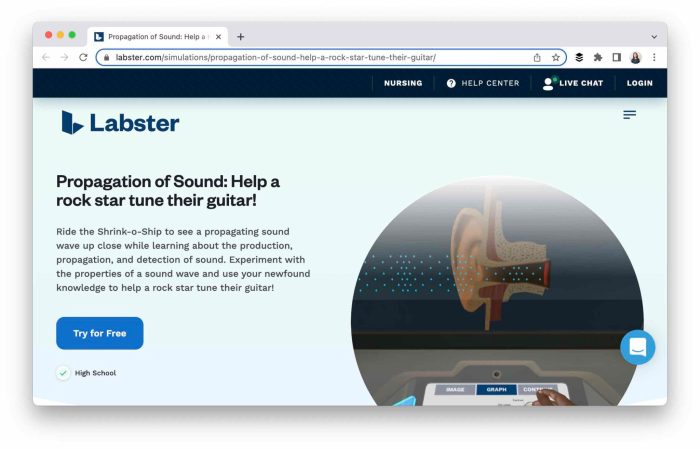
In summary, virtual science labs represent a significant leap forward in science education, blending technology with hands-on learning to enhance student engagement and comprehension. As educational institutions continue to adopt these innovative tools, the future of science learning looks not only promising but also more inclusive and dynamic than ever before.
Detailed FAQs
What are virtual science labs?
Virtual science labs are online platforms that simulate real laboratory experiences, allowing students to conduct experiments and learn scientific concepts remotely.
Who primarily uses virtual science labs?
Students, educators, and researchers in educational settings utilize virtual science labs to enhance learning outcomes and engagement.
What are the benefits of virtual science labs over traditional labs?
They offer greater accessibility, flexibility in learning, enhanced engagement, and the ability to conduct experiments without the costs and risks associated with physical labs.
How can educators implement virtual science labs in their curriculum?
Educators can integrate virtual science labs by selecting appropriate simulations, designing lesson plans around them, and creating assessments that evaluate student performance in these environments.
What skills do students develop through virtual science labs?
Students develop critical thinking, problem-solving, teamwork, and technical skills essential for future careers in STEM fields.


