
Kicking off with Counseling resources for schools, this overview emphasizes the vital role these resources play in fostering a supportive learning environment. Schools today are not just places for academic growth; they are essential in molding the mental and emotional well-being of students. From effective counseling programs to engaging parents and communities, these resources are crucial in addressing diverse student needs.
By integrating counseling into school curricula and utilizing educational tools, we can create a holistic approach to student support. This collaboration among educators, counselors, and families is key to nurturing resilient, well-rounded individuals who can thrive both academically and personally.
Counseling Resources in Schools
School counseling programs play a crucial role in fostering a supportive environment where students can thrive academically, socially, and emotionally. Effective counseling resources are essential for addressing the diverse needs of students from various backgrounds. By implementing comprehensive counseling initiatives, schools can significantly enhance the well-being of their student population.School counselors are pivotal in promoting mental health awareness among students, parents, and faculty.
They serve as advocates for students, providing guidance and resources to help them cope with challenges. Counselors also facilitate programs aimed at destigmatizing mental health issues, making it more acceptable for students to seek help when needed.
Effective Counseling Programs for Diverse Student Needs
Diverse student populations require tailored counseling approaches to effectively address their unique challenges. Here are some effective programs that have shown positive outcomes in various school settings:
- Restorative Justice Programs: Focus on building relationships and community, helping students resolve conflicts and develop empathy, leading to a more harmonious school environment.
- Mindfulness and Stress Reduction Programs: These programs teach students techniques to manage stress and anxiety, promoting emotional regulation and resilience.
- Peer Counseling Initiatives: Trained peer counselors provide support to their classmates, creating a safe space where students can share their concerns and experiences.
- Cultural Competence Training: Counselors undergo training to understand and address the specific needs of students from different cultural backgrounds, ensuring inclusivity in counseling practices.
Counselors must remain informed about various programs and resources available to best support their students’ mental health and academic success.
Role of School Counselors in Promoting Mental Health Awareness
School counselors take an active role in educating the school community about mental health issues. Their responsibilities encompass a wide range of activities, including:
- Conducting workshops on mental health topics, such as anxiety management, resilience building, and healthy coping strategies.
- Implementing mental health screenings to identify students who may be struggling and need support.
- Creating informational materials, including brochures and newsletters, to share mental health resources and tips with students and families.
- Collaborating with teachers and staff to integrate mental health awareness into the broader school culture, ensuring everyone is equipped to recognize and respond to signs of distress.
These initiatives not only help destigmatize mental health issues but also empower students to take charge of their mental well-being.
Best Practices for Integrating Counseling Resources into School Curricula
Integrating counseling resources into the school curriculum enhances the overall educational experience for students. Effective practices include:
- Embedding Social-Emotional Learning: Integrate social-emotional learning (SEL) principles into existing subjects to teach students essential skills like empathy, self-awareness, and responsible decision-making.
- Creating Safe Spaces: Designate areas within the school where students can access counseling services, ensuring privacy and comfort for those seeking help.
- Professional Development for Educators: Provide training for teachers and staff on recognizing mental health issues and understanding the referral process to counseling resources.
- Involving Families: Host informational sessions for parents and guardians about available counseling resources and the importance of supporting their children’s mental health.
Through these practices, schools can create a supportive environment that fosters open communication about mental health and enhances student well-being.
Educational Tools and Materials
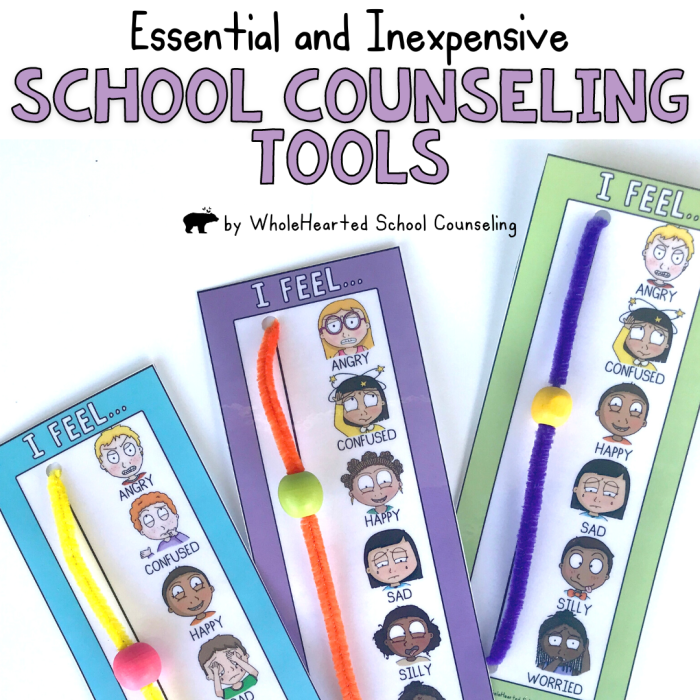
Effective counseling in schools requires a variety of educational tools and materials that can facilitate communication, understanding, and skill development among students. By leveraging these resources, counselors can create an environment conducive to learning and emotional growth. The right tools not only help in the delivery of counseling sessions but also engage students in a meaningful way.
Essential Educational Resources
A range of materials can enhance the effectiveness of counseling sessions. Below is a list of essential educational resources that counselors can incorporate into their practices:
- Interactive Workbooks: These provide structured activities that help students explore their feelings and thoughts in a guided manner.
- Art Supplies: Creative materials like colored pencils, markers, and clay can be useful for expressive therapy, allowing students to communicate visually.
- Resource Books: A collection of books on various mental health topics can offer valuable information and techniques for both counselors and students.
- Videos and Multimedia Presentations: These can present coping strategies and emotional intelligence topics in an engaging format.
- Online Assessment Tools: Tools like personality assessments or stress inventories can help identify student needs and tailor counseling approaches accordingly.
Utilization of Educational Technology
Incorporating educational technology can significantly enhance traditional counseling practices. By using digital tools, counselors can provide more interactive and personalized experiences for students.
- Virtual Counseling Sessions: Platforms like Zoom or Google Meet enable remote sessions, ensuring accessibility for all students.
- Mobile Apps for Mental Health: Applications such as Headspace or Calm offer guided meditations and coping techniques that students can use independently.
- Online Learning Modules: These modules can provide psychoeducation on various topics, allowing students to learn at their own pace.
- Digital Journals: Using platforms like Day One can encourage students to reflect on their feelings and progress over time.
Workshop for Developing Counseling Skills
Organizing a workshop focused on developing counseling skills among educators can greatly enhance their ability to support students effectively. This workshop can cover various aspects such as communication skills, emotional intelligence, and recognizing signs of distress.
- Role-Playing Activities: These sessions can simulate real-life counseling scenarios, allowing educators to practice their skills in a supportive environment.
- Guest Speakers: Inviting experienced counselors to share insights can provide educators with valuable perspectives and strategies.
- Group Discussions: Facilitating conversations on common challenges can foster a collaborative spirit and encourage sharing of best practices among educators.
- Resource Sharing: Providing materials and links to useful online resources can equip educators with tools to continue their learning after the workshop.
Community and Parental Involvement
Engaging parents and the community in school counseling initiatives is crucial for fostering a supportive environment for students. When families and community members are involved, it not only enhances the effectiveness of counseling services but also promotes a holistic approach to student well-being. This collaboration can create a network of support that extends beyond the school walls, contributing to the overall success and mental health of students.Building robust partnerships with parents and local organizations can significantly strengthen counseling services in schools.
These relationships facilitate access to resources and support systems that can benefit students. Schools can implement various strategies to encourage parental involvement and community engagement that align with their counseling objectives.
Strategies for Engaging Parents in the Counseling Process
Establishing effective communication between schools and parents is fundamental to fostering involvement. Regular updates and information sessions can help parents understand the counseling services available to their children. Here are some effective strategies:
- Parent Workshops: Hosting workshops on mental health topics can educate parents about the challenges their children may face and how they can provide support at home.
- Regular Newsletters: Sending out newsletters that highlight counseling activities and resources can keep parents informed and engaged in their child’s progress.
- Parent-Teacher Conferences: During these meetings, counselors can discuss students’ needs and how parents can play a crucial role in supporting their academic and emotional well-being.
- Feedback Opportunities: Providing parents with opportunities to share their thoughts and experiences can foster a collaborative atmosphere where their insights are valued.
Partnerships with Local Organizations
Local organizations can play a pivotal role in enhancing school counseling services by providing additional resources and expertise. Collaborations can lead to more comprehensive support structures for students and families. Consider the following approaches:
- Collaboration with Mental Health Professionals: Partnering with local clinics can offer access to mental health services that may not be available within the school.
- Involvement of Non-Profits: Non-profit organizations focused on youth development can bring in programs that address various aspects of student life, including mentorship and skill-building.
- Community Events: Organizing events with community organizations can increase awareness of counseling services and create a sense of belonging among families.
- Resource Sharing: Schools can share resources with local organizations, creating a network of support that caters to diverse student needs.
Examples of Community Resources Supporting School Counseling Initiatives
A variety of community resources can bolster the effectiveness of school counseling programs. These resources often provide additional support for students facing various challenges. Here are some examples:
- Local Health Departments: These can offer health screenings, educational materials, and mental health resources that schools can utilize.
- Youth Centers: Community youth centers often provide after-school programs and counseling services that can complement school counseling efforts.
- Libraries: Many libraries host workshops and provide resources on youth issues, offering additional support for families seeking information.
- Faith-Based Organizations: Local churches and faith groups can provide emotional support and community outreach programs that resonate with students and families.
“Community and parental involvement is not just beneficial; it is essential for a well-rounded approach to student counseling.”
Last Word
In conclusion, Counseling resources for schools are indispensable in shaping a positive school culture that values mental health and well-being. By embracing best practices and fostering community involvement, we can empower students to navigate their challenges with confidence. The collective effort of educators, counselors, and families will pave the way for a brighter future for every student.
Top FAQs
What are the main benefits of school counseling?
School counseling promotes mental health awareness, supports academic success, and helps students develop essential life skills.
How can parents get involved in the counseling process?
Parents can participate by attending workshops, communicating with school counselors, and supporting their children’s mental health needs at home.
What types of educational tools are effective for counseling?
Effective tools include workbooks, online resources, and interactive activities that facilitate discussion and engagement during counseling sessions.
How can schools measure the effectiveness of their counseling programs?
Schools can utilize surveys, feedback forms, and performance metrics to assess the impact of counseling programs on student well-being and academic achievement.
What role do community organizations play in school counseling?
Community organizations can provide additional resources, support services, and partnerships that enhance the counseling services available to students.


