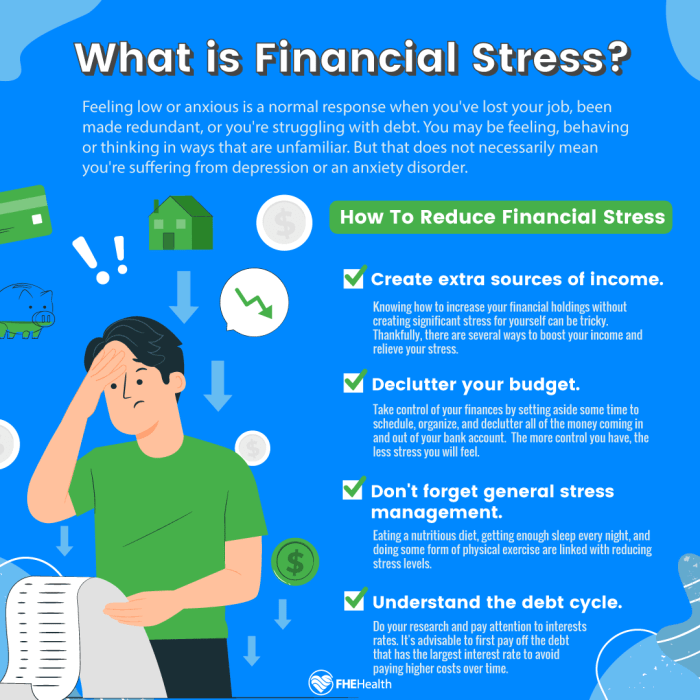
Financial literacy in schools is becoming increasingly crucial as we navigate a complex financial landscape. By integrating financial education into the curriculum, schools can equip students with the essential skills needed to manage their personal finances effectively. This not only sets the foundation for responsible financial behavior but also fosters a generation of informed decision-makers.
As financial challenges continue to grow, the necessity for students to understand concepts like budgeting, saving, and investing cannot be overstated. However, various obstacles stand in the way of implementing comprehensive financial literacy programs in schools. Addressing these challenges can lead to a healthier financial future for students and the community at large.
Importance of Financial Literacy in Schools
Incorporating financial literacy into school curriculums is increasingly recognized as a fundamental aspect of education. As the financial landscape becomes more complex, equipping students with the necessary skills to navigate personal finance is essential for their future well-being. Financial literacy promotes informed decision-making regarding saving, investing, and spending, ultimately fostering a generation of financially savvy individuals.The long-term benefits of financial education extend far beyond the classroom.
Students who receive financial literacy training are likely to develop healthier money management habits, which can lead to greater financial stability and independence as they transition into adulthood. They are better prepared to handle financial responsibilities such as budgeting, managing debt, and planning for retirement. This foundational knowledge reduces the likelihood of falling into debt traps and makes them more resilient during economic downturns.
Obstacles to Implementing Financial Literacy Programs
Despite the clear advantages of financial literacy education, schools encounter several challenges in implementing these programs. Addressing these obstacles is crucial for fostering a comprehensive financial education approach. Some key issues include:
- Lack of Resources: Many schools face budget constraints that limit their ability to offer financial literacy courses or hire specialized instructors. This scarcity of funding often means that financial education is viewed as a non-essential subject rather than a priority.
- Curriculum Overload: With numerous subjects to cover, educators may struggle to find time within an already packed curriculum to introduce financial literacy. This can result in financial education being sidelined in favor of other academic priorities.
- Inadequate Training for Educators: Teachers may lack the necessary training to effectively teach financial literacy. Without proper professional development opportunities, educators may feel unprepared to deliver this content, leading to inconsistent instruction.
These obstacles can hinder the successful integration of financial literacy into school curriculums, but addressing them is vital for the overall success of students in managing their personal finances effectively.
“Financial literacy is not just a skill; it’s a necessity for a successful future.”
Strategies for Teaching Financial Literacy

Teaching financial literacy in schools requires a structured approach that integrates essential concepts into the students’ daily learning experience. By designing a comprehensive curriculum and incorporating interactive methods, educators can better equip students with the financial knowledge they need to succeed. Such an educational framework not only fosters better decision-making skills but also empowers students to manage their finances responsibly and understand economic principles.Designing a comprehensive curriculum for financial literacy involves a multipronged strategy that spans both primary and secondary education.
This curriculum should encompass essential topics such as budgeting, saving, investing, credit management, and the principles of economics. A well-rounded program will lay the foundation for students to grasp complex financial concepts and relate them to real-world scenarios.
Curriculum Design for Financial Literacy
A comprehensive financial literacy curriculum should include age-appropriate content that builds on students’ knowledge as they progress through their education. The curriculum can be structured as follows:
- Primary Education (Grades K-5): Focus on basic concepts such as money recognition, counting, saving, and understanding the value of goods and services. Activities can include games that simulate shopping experiences or saving challenges.
- Middle School (Grades 6-8): Introduce more complex topics like budgeting, the importance of saving, and the basics of credit. Use real-life scenarios and role-playing activities where students make budget decisions or plan for a class trip.
- High School (Grades 9-12): Cover advanced topics like investing, understanding loans, and financial risks. Encourage students to create investment portfolios or simulate stock trading to apply their knowledge practically.
Integration with Existing Subjects
To effectively teach financial literacy, it’s crucial to integrate financial concepts with subjects students are already learning, such as math and economics. This cross-curricular approach reinforces the relevance of financial literacy and enhances student engagement.
- Math Integration: Use real-life financial examples in math classes, such as calculating interest rates, loan payments, and budgeting exercises. For instance, students can work on projects that involve creating a budget based on a hypothetical monthly income.
- Economics Integration: Discuss the principles of supply and demand alongside lessons on saving and investing. Students can analyze case studies of economic events and their impact on personal finance, such as inflation and market crashes.
Interactive Activities and Resources
Interactive activities and resources can enhance the learning experience and make financial education more engaging. These activities encourage participation and practical application of financial concepts.
- Simulation Games: Implement financial simulation games where students manage a virtual budget, make investment decisions, or run a business. These games provide hands-on experience in a risk-free environment.
- Workshops with Financial Experts: Invite local bankers or financial advisors to conduct workshops. Students can learn directly from professionals about topics like saving for college, understanding credit scores, and investment strategies.
- Online Resources and Apps: Utilize online platforms and mobile apps designed for financial education. Tools that offer budgeting calculators, interactive quizzes, and video tutorials can supplement classroom learning effectively.
“The goal of financial literacy is to empower students to make informed and effective decisions with their financial resources.”
Role of Parents and Community in Financial Education
Parents and the local community play an essential role in fostering financial literacy among children. While schools are responsible for delivering financial education curricula, the supportive environments created by parents and community organizations significantly enhance students’ understanding and application of financial concepts. Engaging in discussions about money management at home and participating in local initiatives can greatly reinforce the lessons learned in school.Parents can effectively support their children’s financial literacy outside of school through various practical methods.
By incorporating financial discussions into everyday life, parents can help demystify financial topics. Here are some practical strategies parents can employ:
Strategies for Parental Involvement in Financial Education
Engaging in financial conversations at home allows children to see the real-world applications of their classroom learning. Here are some effective ways parents can contribute:
- Setting a Budget Together: Parents can involve their children in creating a family budget. This activity teaches children the importance of tracking income and expenses, and they gain firsthand experience in prioritizing financial goals.
- Using Allowance Wisely: Giving children a small allowance can serve as a practical tool for teaching money management. Parents can encourage their kids to allocate funds for saving, spending, and sharing, promoting a balanced approach to money.
- Shopping Experiences: Taking children grocery shopping can be an educational experience. Parents can discuss price comparisons, discounts, and budgeting, helping children understand value for money.
Partnerships between schools and local businesses can significantly enhance financial education by providing students with real-world insights. By collaborating with local enterprises, schools can create opportunities that extend learning beyond the classroom.
Benefits of School-Business Partnerships
When schools partner with local businesses, they facilitate a more integrated approach to financial education. The following benefits highlight the importance of these partnerships:
- Guest Speakers and Workshops: Local business professionals can conduct workshops and lectures, sharing their expertise and practical experiences, which can enrich classroom learning.
- Internships and Job Shadowing: These partnerships can offer students internships or job-shadowing opportunities, allowing them to learn about financial operations in real business settings.
- Financial Sponsorships: Businesses can contribute resources or sponsorships for financial literacy programs, ensuring that students have access to up-to-date materials and tools.
Community initiatives aimed at improving financial literacy can have a profound impact across all age groups. These programs not only support students but also engage adults in lifelong learning.
Community Initiatives for Financial Literacy
Community-driven programs can mobilize resources and expertise to promote financial literacy effectively. Here are some noteworthy initiatives:
- Workshops and Seminars: Local organizations often host workshops that cover various financial topics, such as budgeting, investing, and retirement planning. These initiatives can target different demographics, ensuring everyone benefits.
- Financial Literacy Month Activities: Many communities celebrate Financial Literacy Month by organizing events or challenges that engage families in learning about money management together.
- Collaborative Resources: Community libraries and centers may offer free access to financial literacy materials, including books, online courses, and tools that individuals can utilize at their own pace.
Each of these elements underscores the vital role parents and the community play in promoting financial literacy, creating a supportive network that fosters informed, financially responsible individuals.
Final Conclusion
In conclusion, integrating financial literacy into school curriculums is not just a beneficial addition; it is a necessary measure to prepare students for the real world. By overcoming current barriers and fostering collaboration between parents, schools, and communities, we can ensure that financial education becomes a staple in every student’s learning experience. Ultimately, empowering young minds with financial knowledge will pave the way for a brighter and more financially secure future.
FAQ Overview
Why is financial literacy important for students?
Financial literacy helps students make informed decisions about their money, leading to better personal finance management and reduced debt.
How can parents contribute to their child’s financial education?
Parents can engage in discussions about budgeting, saving, and responsible spending, reinforcing lessons learned at school.
What are some effective teaching methods for financial literacy?
Interactive activities, real-life simulations, and integrating financial concepts into existing subjects can enhance learning.
What challenges do schools face in teaching financial literacy?
Limited resources, lack of trained teachers, and curriculum constraints can hinder the implementation of effective financial education.
Are there community programs that support financial literacy?
Yes, many communities offer workshops and initiatives aimed at improving financial literacy across various age groups.


