
In the realm of digital learning, the opportunity to create and sell online courses has become increasingly accessible and appealing. With the right tools and strategies, anyone can transform their expertise into a structured learning experience that not only educates but also generates income. The growing demand for online education means there’s never been a better time to dive into this exciting entrepreneurial venture.
This guide will walk you through the essential steps of designing an engaging course, choosing the right platform, and effectively marketing your content to reach your target audience. By understanding the intricacies of course creation and sales, you’ll be well-equipped to launch a successful online learning experience that resonates with learners.
Creating Online Courses
Designing an online course is an exciting journey that allows you to share your knowledge and skills with a global audience. By carefully planning your course, you can create a structured learning experience that benefits your students. This process involves a series of steps that ensures your content is engaging, informative, and valuable.The first step in designing an online course is to define the course objectives.
Knowing what you want your students to achieve will guide the entire content creation process. Once you’ve established clear learning outcomes, the next step is to Artikel the course structure. This includes breaking down the content into modules or lessons that cover specific topics in a logical order. After outlining, it’s essential to create detailed lesson plans for each section, specifying the key points to be covered and the format (video, text, quizzes, etc.) that will be used.
Platforms for Course Creation
Selecting the right platform for your online course is crucial, as it can significantly affect the delivery and accessibility of your content. Various platforms are available, each offering unique features tailored to different needs.When choosing a platform, consider factors such as ease of use, pricing, and the types of content you want to create. Here are some popular platforms along with their main features:
- Teachable: Known for its user-friendly interface, Teachable allows you to create multimedia content and offers features like quizzes, certificates, and integrated payment processing.
- Thinkific: This platform provides extensive customization options, including the ability to build landing pages. It also supports a variety of content types and offers built-in marketing tools.
- Udemy: With a vast user base, Udemy allows you to reach a larger audience. It provides promotional tools, though it takes a percentage of your earnings.
- Kajabi: Kajabi is an all-in-one platform that includes course creation tools, marketing features, and membership sites, making it ideal for those looking to build a comprehensive online business.
- Podia: This platform focuses on simplicity and offers features like digital downloads, memberships, and email marketing, making it easy to manage your online courses and engage with your audience.
Identifying Target Audiences
Understanding your target audience is vital for effective course development. By identifying who your learners are, you can tailor your content to meet their specific needs and preferences. This process involves market research and analyzing demographic data to create a learner persona that represents your ideal student.When identifying your target audience, consider the following key factors:
- Demographics: Age, gender, location, and education level can influence how content is received and what learning styles might be most effective.
- Interests and Goals: Knowing what interests your audience and what they hope to achieve through your course will help you design relevant content that resonates with them.
- Challenges and Pain Points: Understanding the specific challenges your audience faces allows you to address these issues directly in your course material, making it more valuable to them.
- Preferred Learning Styles: Different learners absorb information in various ways, whether through visual aids, hands-on activities, or auditory materials. Tailoring your course to accommodate these styles can enhance engagement.
Identifying your target audience not only shapes your course content but also informs your marketing strategies, ensuring you effectively reach potential students.
Selling Online Courses
Selling online courses involves more than just creating great content; effective marketing strategies play a vital role in reaching your target audience and driving sales. The online education market is highly competitive, and having a solid plan for promotion and pricing can significantly impact your success.
Effective Marketing Strategies to Promote Online Courses
To successfully market your online course, you should leverage various strategies that resonate with your audience. Here are some effective methods to consider:
- Content Marketing: Create valuable blog posts, videos, and podcasts that educate your audience about the topic of your course. This builds credibility and drives organic traffic to your sales page.
- Social Media Marketing: Utilize platforms like Facebook, Instagram, and LinkedIn to share snippets of your course content. Engaging posts and ads can attract potential students and create buzz around your course.
- Email Marketing: Build an email list and send newsletters with course updates, free resources, and special offers. Consistent communication keeps your audience engaged and informed about your course availability.
- Webinars: Host live webinars to present key concepts from your course. This interactive format allows potential students to ask questions and experience your teaching style firsthand.
- Affiliate Marketing: Partner with influencers or affiliates who can promote your course to their audience. Offering commissions can incentivize them to share your course actively.
Pricing Models for Online Courses
Determining the right pricing model for your online course is essential for maximizing revenue while remaining attractive to potential students. Here are some common pricing strategies:
- One-Time Payment: Charge a single fee for lifetime access to the course. This model is straightforward and appeals to users who prefer a one-time investment.
- Subscription Model: Offer access to your course for a recurring fee, granting users access to all current and future content. This model can create a steady income stream and encourages continual engagement.
- Tiered Pricing: Create multiple pricing options with varying levels of access or additional materials. This caters to different budgets and increases the likelihood of attracting a wider audience.
- Free Trials: Allow potential customers to access part of your course for free, enticing them to commit once they see the value firsthand.
To determine the ideal price, consider factors such as market demand, competitor pricing, and the value you provide. Market research can help you gauge what similar courses charge and how they position themselves.
Key Elements of a Successful Sales Page for Online Courses
A well-structured sales page can significantly increase your conversion rate. Here are essential elements to include for success:
- Compelling Headline: Grab attention with a powerful headline that clearly conveys the benefits of your course.
- Course Description: Provide a detailed overview of what the course covers, including learning objectives and outcomes.
- Instructor Bio: Showcase your expertise and experience to build trust and credibility with potential learners.
- Testimonials: Include quotes and feedback from past students to demonstrate social proof and the effectiveness of your course.
- Clear Call-to-Action: Use prominent buttons or links that encourage visitors to sign up or purchase the course.
- Visuals: Utilize high-quality images, videos, or infographics that complement your content and engage visitors visually.
“The key to selling online courses is not just what you teach, but how you present it to your audience.”
Enhancing Educational Experiences
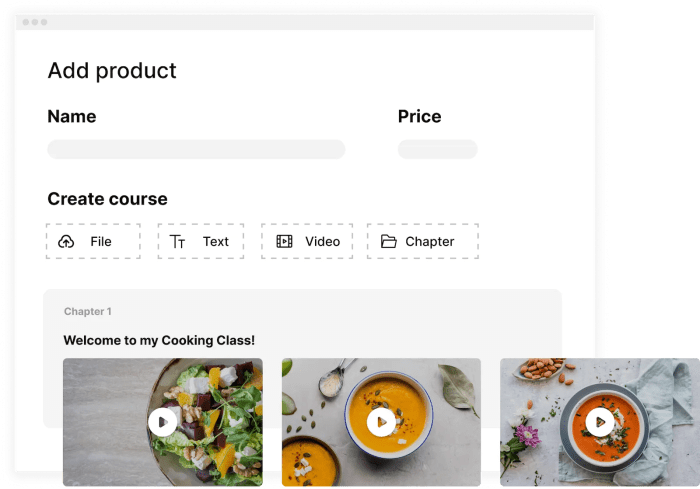
Creating an engaging online learning environment is essential for enhancing educational experiences. By focusing on interactive and dynamic content, educators can significantly improve learning outcomes for students. This section delves into the importance of engaging content, the role of feedback loops, and the incorporation of multimedia elements to enrich the overall online learning journey.
Role of Engaging Content in Learning Outcomes
Engaging content serves as a catalyst for better learning outcomes. It holds the attention of learners, encourages participation, and fosters a deeper understanding of the material. Effective engagement can be achieved through various strategies, such as storytelling, real-world examples, and interactive activities.
Engaging content not only captures attention but also fosters retention and application of knowledge.
When learners actively participate in their education, their retention rates improve. Research indicates that interactive and visually appealing content can lead to a higher level of information retention compared to traditional text-based materials. For instance, courses that incorporate quizzes, gamification, or practical exercises tend to see better performance from students.
Feedback Loops in Course Effectiveness
Feedback loops are crucial for enhancing the effectiveness of online courses. They provide learners with opportunities to understand their progress and identify areas for improvement. By establishing a system of continuous feedback, educators can help students stay engaged and motivated throughout their learning journey.Feedback can come in various forms, including peer assessments, self-reflections, and instructor evaluations. These mechanisms allow students to gain insights into their strengths and weaknesses, fostering a growth mindset.
Continuous feedback encourages a culture of learning and development.
Additionally, timely feedback helps educators make necessary adjustments to course content and teaching methods, ensuring that the curriculum remains relevant and effective. By analyzing feedback, instructors can refine their teaching strategies, ultimately leading to improved student performance.
Incorporating Multimedia Elements
Incorporating multimedia elements into online courses can significantly enrich the learning experience. By utilizing a mix of text, images, audio, and video, educators can cater to various learning styles and preferences. This approach not only makes the content more engaging but also facilitates better understanding.For example, videos can demonstrate complex concepts visually, while infographics distill information into easily digestible formats.
Podcasts and audio clips can enhance the learning experience by providing learners with the flexibility to consume content on-the-go.
Multimedia elements create a more dynamic learning environment, promoting engagement and understanding.
To effectively incorporate multimedia, educators should consider the following methods:
- Use videos for demonstrations and storytelling to illustrate concepts.
- Integrate podcasts that cover relevant topics, allowing for varied content consumption.
- Employ infographics to convey statistics or processes visually, simplifying complex information.
- Incorporate interactive simulations or games to provide practical application of theoretical knowledge.
By thoughtfully combining different forms of media, educators can create a rich tapestry of learning experiences that cater to diverse student needs while promoting engagement and understanding.
Last Word
As we wrap up this exploration of creating and selling online courses, it’s clear that the combination of engaging content, proper marketing, and a keen understanding of your audience can lead to tremendous success in the digital education space. By following these insights, you not only enhance your teaching capabilities but also contribute to the growing landscape of online learning that empowers others to achieve their goals.
Questions Often Asked
What platforms can I use to create online courses?
Popular platforms include Teachable, Udemy, and Thinkific, each offering unique features tailored for course creators.
How do I market my online course?
Effective marketing strategies include social media promotion, email marketing, and leveraging to attract potential learners.
What should I consider when pricing my course?
Consider factors such as the course length, content depth, your target audience’s willingness to pay, and competitor pricing.
How can I make my course more engaging?
Incorporate multimedia elements like videos, quizzes, and interactive discussions to enhance learner engagement and retention.
What is the importance of feedback in online courses?
Feedback helps identify areas for improvement, ensuring your course remains relevant and effective in meeting learner needs.


