
Digital exam proctoring has emerged as a key player in the educational landscape, reshaping how institutions approach assessments. By leveraging advanced technologies, this method ensures that exams are conducted securely and fairly, promoting academic integrity while addressing the challenges of traditional testing environments.
With a blend of artificial intelligence, biometric verification, and remote monitoring, digital proctoring offers an innovative solution to the long-standing issues of cheating and exam misconduct. As the educational sector navigates this transition, understanding the implications and advantages of digital exam proctoring becomes essential for both educators and students alike.
Digital Exam Proctoring Overview
Digital exam proctoring has emerged as a vital component of contemporary education, redefining how assessments are conducted in various academic environments. As educational institutions increasingly embrace online learning, the need for secure, reliable methods of examination proctoring has become paramount. Digital exam proctoring ensures academic integrity while providing a flexible and convenient testing experience for students.Digital exam proctoring incorporates several advanced technologies designed to monitor exam-takers and enhance security.
These technologies typically include webcam surveillance, screen recording, biometric authentication, and AI-powered analysis. By employing these tools, educational institutions can create a remote exam environment that closely simulates traditional proctoring, minimizing opportunities for cheating and misconduct.
Technologies Utilized in Digital Exam Proctoring
The effective implementation of digital exam proctoring relies on a variety of sophisticated technologies. Understanding these technologies is essential for grasping how they contribute to the overall proctoring process.
- Webcam Surveillance: This technology enables real-time monitoring of exam-takers through their device’s camera, ensuring that students are not using unauthorized materials or receiving assistance from others.
- Screen Recording: Recording the on-screen activity of a student during the exam helps to capture any suspicious behavior or use of prohibited resources.
- Biometric Authentication: This method involves using face recognition or fingerprint scanning to verify the identity of the exam-taker, ensuring that the individual registered for the exam is indeed the one taking it.
- AI-Powered Analysis: Artificial Intelligence algorithms analyze both video and audio feeds to detect unusual behaviors, such as excessive head movements or speaking out loud, which may indicate cheating.
Benefits and Challenges of Digital Proctoring
Implementing digital proctoring solutions brings numerous advantages along with specific challenges that institutions need to address. Recognizing these aspects is crucial for a successful transition to digital assessments.
- Benefits:
- Flexibility: Students can take exams from virtually anywhere, reducing the stress associated with travel and scheduling conflicts.
- Cost-Effective: Digital proctoring eliminates the need for physical exam centers, lowering operational costs for institutions.
- Enhanced Security: The combination of various monitoring technologies significantly reduces the likelihood of cheating, ensuring the integrity of exam results.
- Challenges:
- Technical Issues: Connectivity problems or software malfunctions can hinder the exam experience for students, leading to potential unfair disadvantages.
- Privacy Concerns: Surveillance during exams raises questions around data privacy and the handling of sensitive information captured during the process.
- Accessibility: Not all students may have access to reliable technology or a quiet testing environment, leading to inequities in the examination process.
Digital exam proctoring represents a significant shift towards modern assessment methods, combining technology with educational integrity to reshape the future of examinations.
Impact on Education Practices
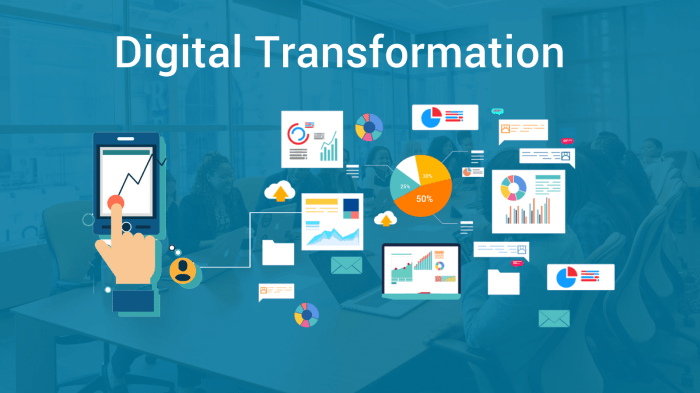
Digital exam proctoring is transforming the landscape of educational assessments. By integrating technology into examination processes, institutions are able to streamline operations and enhance the academic experience for both educators and students. This shift not only modernizes traditional examination methods but also addresses concerns related to academic integrity and security.
Effects on Traditional Examination Methods
The introduction of digital exam proctoring has led to significant changes in how traditional exams are conducted. Educational institutions are moving away from in-person assessments towards online platforms that offer remote supervision. This evolution allows students to take exams from anywhere, increasing accessibility for those with mobility challenges or geographic limitations. Additionally, institutions can administer exams more efficiently, reducing the logistical burden associated with physical exam venues.The transition to digital proctoring brings about several advantages:
- Flexibility: Students can choose their exam environments, leading to potentially less anxiety and better performance.
- Resource Savings: Schools can save on costs related to physical space and materials needed for in-person exams.
- Scalability: Digital proctoring systems can handle large volumes of students simultaneously, which is particularly beneficial during peak examination periods.
Implications for Student Privacy and Data Security
While digital exam proctoring enhances convenience, it raises important issues surrounding student privacy and data security. The collection and storage of sensitive information, such as biometric data and video recordings, necessitate robust safeguards to protect against unauthorized access and breaches. Institutions must ensure compliance with privacy regulations and be transparent about data usage.Key considerations for maintaining privacy and security include:
- Data Encryption: Ensuring that all collected data is encrypted during transmission and storage to prevent unauthorized access.
- Clear Policies: Establishing clear guidelines surrounding data collection, usage, and retention to inform students of their rights and the measures in place for protection.
- Informed Consent: Obtaining explicit consent from students before collecting personal data, making sure they are aware of what is being recorded and how it will be used.
Enhancement of Academic Integrity
Digital proctoring plays a vital role in promoting academic integrity by implementing various monitoring techniques designed to detect and deter cheating. These systems employ a combination of real-time surveillance, artificial intelligence, and analytical tools to ensure fair testing environments.The benefits of enhanced academic integrity through digital proctoring are manifold:
- Cheating Deterrence: Advanced algorithms can identify suspicious behavior, such as unusual eye movements or other indicators of academic dishonesty.
- Increased Trust: By fostering a secure assessment environment, institutions can enhance trust in their academic qualifications among employers and other stakeholders.
- Data Analytics: Institutions can analyze data from exams to identify patterns of misconduct, allowing for targeted interventions and improvements to the examination process.
Future Trends in Digital Exam Proctoring
As we look towards the future of digital exam proctoring, it’s clear that advancements in technology will continue to reshape the educational landscape. Institutions are increasingly adopting innovative solutions to enhance security, efficiency, and student engagement. Understanding these trends will be essential for educational entities aiming to thrive in this evolving environment.
Advancements in Digital Proctoring Technologies
Emerging technologies are set to transform digital exam proctoring significantly. Key advancements include:
- Artificial Intelligence (AI): AI-driven algorithms will enhance the ability to detect suspicious behavior during examinations. This technology can analyze patterns in student responses and flag anomalies, reducing the workload for human proctors.
- Biometric Verification: The use of biometric identification methods, such as facial recognition and fingerprint scanning, will advance to ensure that the identity of the individual taking the exam is verified accurately.
- Augmented Reality (AR) and Virtual Reality (VR): These technologies may offer immersive exam environments, simulating real-world testing settings. This can help in reducing exam anxiety and improving the overall experience for students.
- Cloud Computing: Enhanced cloud storage solutions will streamline exam administration and grading processes, enabling institutions to manage large volumes of data securely and efficiently.
The integration of these technologies will create more reliable and effective proctoring solutions, ultimately enhancing the integrity of the examination process.
Institutional Adaptation and Strategies
To capitalize on the benefits of digital proctoring, educational institutions must proactively adapt their strategies. Key steps include:
- Training Staff and Students: Engaging in comprehensive training programs to familiarize staff and students with digital proctoring tools will address concerns and enhance overall comfort with the technology.
- Policy Development: Institutions should develop clear guidelines and policies that govern the use of digital proctoring, ensuring transparency and trust among all stakeholders.
- Feedback Mechanisms: Establishing channels for student feedback on the proctoring experience can help institutions refine their approaches and improve the system continuously.
- Collaboration with Tech Providers: Partnering with technology providers can aid in the seamless integration of new proctoring solutions into existing educational frameworks.
These strategies will not only facilitate smoother transitions to digital proctoring but also promote trust and confidence in the process.
International Regulations and Standards
The future of digital exam proctoring will be influenced by international regulations and standards that address data privacy and security. Several initiatives are currently shaping this landscape:
- General Data Protection Regulation (GDPR): This EU regulation emphasizes data protection and privacy, affecting how institutions collect and process student data during online exams.
- ISO Standards: The International Organization for Standardization (ISO) is working on establishing standards for online assessments, which will ensure uniformity and quality across various educational institutions.
- Educational Consortia Guidelines: Organizations like the Council for Higher Education Accreditation (CHEA) are developing guidelines that will help institutions navigate the complexities of digital proctoring while adhering to accreditation standards.
- Global Cooperation Initiatives: Collaborative efforts between countries to share best practices and develop common frameworks will ensure that digital proctoring practices are equitable and effective across borders.
By staying informed about these regulations and standards, institutions can better align their digital proctoring practices with global expectations, ensuring compliance and fostering a secure examination environment.
Last Recap
In summary, digital exam proctoring is not just a trend; it represents a significant shift in academic assessment practices. As educational institutions adapt to these changes, embracing the technology can enhance learning outcomes while ensuring that assessments remain secure and trustworthy. The future of exams is digital, and it is crucial for stakeholders to stay informed and engaged with these developments.
Clarifying Questions
What is digital exam proctoring?
Digital exam proctoring is a method that uses technology to monitor students during online exams to ensure academic integrity.
How does digital proctoring ensure security?
It employs various technologies like AI, webcams, and screen monitoring to prevent cheating and verify student identity.
What are the benefits of using digital proctoring?
Benefits include increased flexibility, enhanced security, and the ability to conduct tests remotely while maintaining integrity.
Are there privacy concerns with digital proctoring?
Yes, there are concerns regarding data privacy and student monitoring, which institutions need to address by implementing strict data protection measures.
What trends should we expect in the future of digital proctoring?
Future trends may include improved AI capabilities, more user-friendly interfaces, and broader acceptance of digital assessments across educational institutions.


