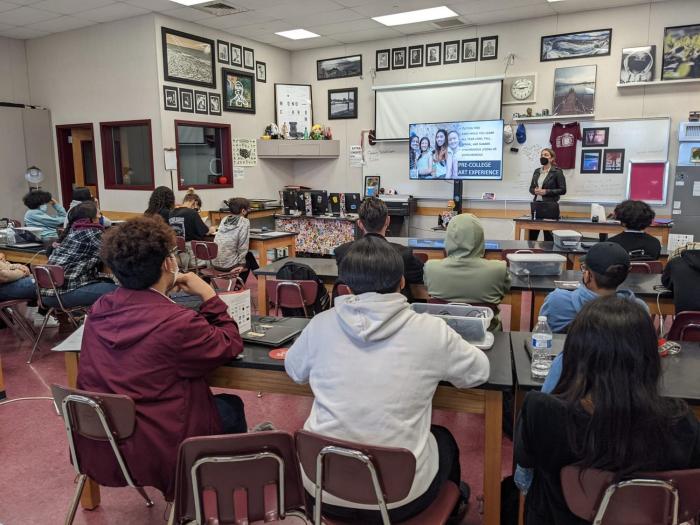
Graphic design for students is an essential journey that opens up a world of creativity and opportunity. In today’s digital landscape, understanding graphic design is more than just a skill—it’s a vital asset that empowers students to express their ideas effectively and enhances their career prospects. Whether you’re looking to create stunning visuals or solve complex problems through design, this field is ripe with potential for those willing to explore its depths.
The significance of graphic design education cannot be understated; it fosters innovative thinking and practical skills that are increasingly in demand across various industries. By embracing graphic design, students not only cultivate their artistic abilities but also prepare themselves for a competitive job market where creativity is key.
Importance of Graphic Design Education for Students
In today’s visually-driven world, graphic design plays a critical role in communication, marketing, and branding. Students who embrace graphic design education not only develop unique creative skills but also enhance their understanding of visual aesthetics, which is increasingly important in various fields. This education empowers them to navigate and contribute to the digital landscape effectively.Graphic design skills are essential for students as they open numerous career opportunities in diverse industries.
With businesses heavily reliant on visual content in their marketing strategies, students familiar with graphic design can find roles in advertising, web design, branding, and more. Companies are searching for individuals who can create engaging visuals that communicate their brand messages effectively. Furthermore, as remote work and freelance opportunities grow, graphic design skills provide students with the flexibility to pursue varied career paths.
Impact of Graphic Design Education on Creative Thinking and Problem-Solving
Graphic design education fosters essential skills in creative thinking and problem-solving, which are crucial for success in any profession. By engaging in design projects, students learn to approach challenges from multiple perspectives and develop innovative solutions.The process of graphic design involves a series of steps that encourage critical thinking and creativity. These steps include research, ideation, prototyping, and feedback, allowing students to refine their ideas and learn from their mistakes.
The following points illustrate how graphic design education enhances these skills:
- Encouraging Innovation: Graphic design challenges students to think outside the box, pushing the boundaries of conventional ideas and inspiring original concepts.
- Enhancing Communication: Students learn to convey complex messages through visuals, improving their ability to communicate effectively in various contexts.
- Building Resilience: The iterative nature of design teaches students to accept critique and learn from failures, which is vital for personal and professional growth.
- Strengthening Collaboration: Working on group projects helps students develop teamwork skills, essential for functioning in a professional environment.
Through these experiences, students not only gain valuable technical skills but also cultivate a mindset that embraces challenges and seeks innovative solutions. This holistic development is what sets graphic design education apart, making it an invaluable asset in today’s job market.
Essential Graphic Design Tools and Techniques
Graphic design is a multifaceted field that combines creativity with technology, requiring students to familiarize themselves with various tools and techniques. Mastering these essentials not only enhances a designer’s skill set but also boosts their employability in a competitive job market. By learning the right software and understanding fundamental design principles, students can significantly elevate their design projects and portfolios.
Popular Graphic Design Software
A solid grasp of popular graphic design software is crucial for students, as these tools are industry standards. The following applications are frequently used by professionals and should be part of every aspiring designer’s toolkit:
- Adobe Photoshop: A powerful tool for photo editing and raster graphics creation, widely used for digital art and design.
- Adobe Illustrator: This vector graphics editor is essential for creating logos, icons, and illustrations with precision.
- Adobe InDesign: Ideal for layout design, this software is commonly used for creating brochures, magazines, and eBooks.
- CorelDRAW: Another vector graphic design software that offers a user-friendly experience, especially for beginners.
- Affinity Designer: A cost-effective alternative to Adobe products, this software provides robust features for vector and raster design.
- Canva: A web-based design tool that is perfect for quick projects and is especially beginner-friendly.
Understanding Design Principles
Knowledge of design principles such as color theory and typography plays a vital role in developing effective designs. A solid foundation in these areas ensures that the design communicates the intended message clearly and attractively.
“Color can influence mood and perception; understanding its psychology is essential in design.”
Color theory helps designers select palettes that evoke desired emotions and enhance aesthetics. Typography, on the other hand, involves selecting fonts that complement the visual aspects of a design while ensuring readability. Mastery of these principles can lead to more impactful and resonant design works.
Resources and Tutorials for Mastering Graphic Design Tools
To further enhance their skills, students should explore various resources and tutorials available online. These platforms offer comprehensive guides, video tutorials, and community support, making the learning process more accessible. Here are some valuable resources:
- Adobe Creative Cloud Tutorials: Official Adobe tutorials provide in-depth lessons on all Adobe products, perfect for beginners and advanced users alike.
- Skillshare: Offers a variety of graphic design courses taught by industry professionals, covering software, techniques, and design principles.
- Udemy: A wide range of graphic design courses, often available at discounted prices, catering to different skill levels.
- YouTube: Channels like The Futur and Satori Graphics provide insightful tutorials and design tips for free.
- Design Blogs: Websites like Creative Bloq and Smashing Magazine regularly post articles on design trends, tools, and techniques.
Successful Graphic Design Projects for Students
Graphic design is not just about creating visually appealing work; it’s also about effectively communicating ideas and solving problems. For students, engaging in successful graphic design projects can greatly enhance their skills and build their confidence. This segment provides a step-by-step guide on executing projects, developing a personal portfolio, and collaborating effectively with peers.
Step-by-Step Guide for Executing a Graphic Design Project
To successfully execute a graphic design project, it’s crucial to follow a structured approach. This ensures that deadlines are met and the final product aligns with the initial vision.
- Define the Project Goals: Clearly articulate what you aim to achieve with the project. This might include the target audience, intended message, and required format.
- Research and Inspiration: Gather inspiration from various sources such as design websites, social media, and design books. Document ideas and potential styles that resonate with your project.
- Sketch Initial Concepts: Begin with rough sketches of your ideas. This can help visualize different layouts and design elements before digital execution.
- Choose Your Tools: Select the appropriate software and tools that suit your project needs, whether it’s Adobe Illustrator, Photoshop, or other design programs.
- Create the Design: Start building your project digitally. Focus on composition, color schemes, and typography to create a cohesive look.
- Seek Feedback: Share your initial drafts with peers or mentors to gather constructive criticism. Be open to suggestions that can enhance your work.
- Refine and Finalize: Implement the feedback and make necessary adjustments to improve your design. Ensure all elements align with your initial goals.
- Prepare for Presentation: Format your design for the intended platform, whether for print or digital use. Ensure high-quality output and professional presentation.
Developing a Personal Portfolio to Showcase Design Skills
A well-structured portfolio is essential for any graphic designer, especially for students seeking to enter the competitive job market. It not only showcases your skills but also reflects your personal style and growth as a designer.To create an effective portfolio, consider the following steps:
- Select Your Best Work: Choose a diverse range of projects that highlight your skills and versatility. Each piece should demonstrate your design capabilities and thought process.
- Include Project Descriptions: Add brief descriptions for each project, outlining the design challenge, your approach, and the final outcome. This helps potential employers understand your design thinking.
- Organize by Category: Group similar works together, such as branding, digital design, or illustration. A well-organized portfolio allows viewers to navigate easily.
- Use High-Quality Images: Ensure that all images are high-resolution and professionally presented. Poor image quality can detract from the overall impression of your work.
- Update Regularly: Continuously update your portfolio with new projects and experiences. This reflects your growth and commitment to the discipline.
Collaborating on Design Projects and Receiving Constructive Feedback
Collaboration is a vital aspect of graphic design, as it brings diverse perspectives and ideas to the table. Learning to work effectively with others can significantly improve the quality of your projects.When collaborating, consider these tips:
- Establish Clear Roles: Define each person’s responsibilities at the beginning of the project to avoid confusion and ensure accountability.
- Schedule Regular Check-ins: Frequent meetings help keep everyone aligned on project goals and timelines. This also allows for real-time feedback and brainstorming sessions.
- Create a Safe Environment for Feedback: Encourage an atmosphere where all team members feel comfortable sharing their thoughts. Constructive criticism should be seen as a tool for improvement.
- Use Collaborative Tools: Utilize platforms like Google Drive or design-specific tools like Figma, which allow multiple users to edit and comment on designs in real-time.
- Embrace Feedback: When receiving feedback, focus on the content rather than personal feelings. View critiques as opportunities to refine your design and expand your perspective.
End of Discussion
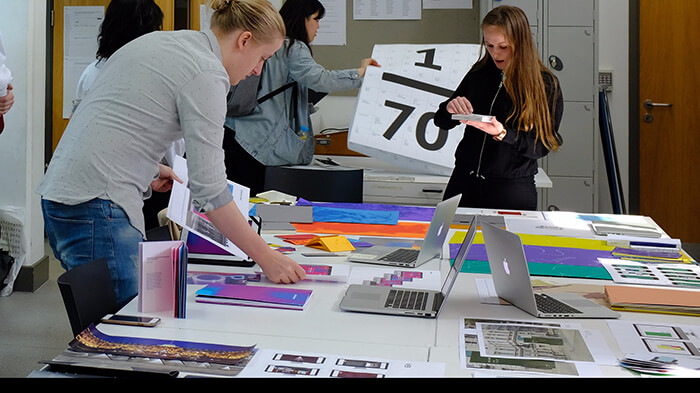
In conclusion, diving into graphic design equips students with both the technical and creative tools necessary to thrive in a visually driven world. As they embark on this exciting path, they learn to articulate their visions while building a portfolio that showcases their unique talents. With the right foundation and resources, students can transform their passion for design into a rewarding career, making an impact in whatever field they choose.
Quick FAQs
What software should students learn for graphic design?
Students should familiarize themselves with popular graphic design software such as Adobe Photoshop, Illustrator, and Canva to build a solid foundation in design.
How can graphic design enhance career opportunities?
Graphic design skills can set candidates apart in job applications, as many industries value creativity and visual communication.
What are design principles that every student should know?
Key design principles include color theory, typography, balance, contrast, and alignment which are crucial for creating effective visuals.
How can students effectively collaborate on design projects?
Students should communicate openly, share feedback constructively, and use collaborative tools to streamline the design process with peers.
Where can students find resources to improve their design skills?
There are numerous online platforms offering tutorials, including YouTube, Skillshare, and Coursera, where students can learn at their own pace.


