
Homeschooling essentials 2025 is not just a trend; it’s a transformative approach to education that adapts to the ever-evolving needs of families. With innovative tools and methods at our fingertips, parents can create enriching environments tailored to their children’s unique learning styles. This journey through homeschooling opens up a world filled with creativity, flexibility, and personalized education, making learning a joyful adventure.
As we dive into the essentials for effective homeschooling, we will explore essential tools, groundbreaking learning methods, and the importance of community support. Whether you’re a seasoned homeschooler or just starting, understanding these elements will empower you to navigate the homeschooling landscape with confidence and clarity.
Essential Tools for Homeschooling in 2025
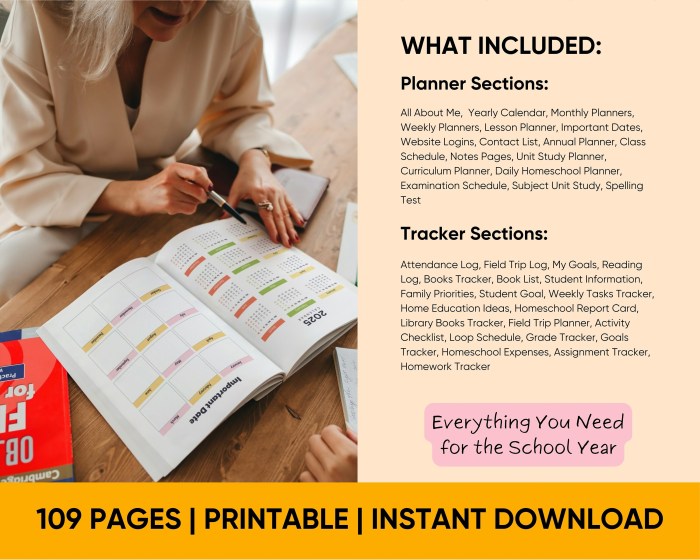
As the landscape of education evolves, homeschooling in 2025 requires a diverse array of tools to foster effective learning. Families are increasingly looking for resources that enhance engagement, support various learning styles, and integrate technology seamlessly into daily routines. The essential tools for homeschooling not only cater to academic needs but also nurture skills such as critical thinking, creativity, and collaboration.In the modern homeschooling environment, technology plays a pivotal role.
The right blend of software and hardware can transform learning experiences, making them more interactive and personalized. This evolution in educational resources ensures that families are equipped with the best possible tools for their educational journey.
Important Educational Tools for Effective Homeschooling
To optimize the homeschooling experience in 2025, the following educational tools are indispensable. These resources not only facilitate learning but also engage students in innovative ways.
- Digital Learning Platforms: Platforms like Khan Academy and Coursera offer structured courses across various subjects, allowing students to learn at their own pace while accessing a wealth of information.
- Interactive Whiteboards: These boards enhance lessons by allowing for real-time collaboration, visual learning, and interactive activities that keep students engaged.
- Virtual Reality (VR) Headsets: VR technology provides immersive learning experiences, enabling students to explore historical sites or scientific phenomena in a virtual environment.
- Learning Management Systems (LMS): Tools like Google Classroom help organize lessons, track assignments, and facilitate communication between parents and students.
- Educational Apps: Apps such as Duolingo and Scratch offer interactive learning experiences in languages and coding, making subjects more engaging and fun.
Necessary Technology and Software for Homeschooling Families
Technology is integral to modern homeschooling, providing access to resources and tools that enhance educational outcomes. Families will benefit from investing in the following technologies and software.
- Laptops or Tablets: Essential for accessing online resources, participating in virtual classes, and completing assignments. Look for devices with robust functionalities and long battery life.
- High-Speed Internet: Reliable internet connectivity is crucial for accessing online materials, streaming educational videos, and engaging in virtual learning environments.
- Office Software: Programs such as Microsoft Office or Google Docs are necessary for creating documents, presentations, and organizing data.
- Collaboration Tools: Tools like Zoom or Microsoft Teams facilitate group discussions, project collaborations, and tutoring sessions, connecting students with peers and educators.
- Parental Control Software: Ensures a safe online environment, allowing parents to monitor and manage their children’s internet usage effectively.
Comparison of Traditional vs. Modern Homeschooling Resources
Understanding the differences between traditional and modern resources can help families make informed decisions regarding their homeschooling approach. Below is a comparison table highlighting key aspects of each resource type.
| Feature | Traditional Resources | Modern Resources |
|---|---|---|
| Accessibility | Physical books and printed materials | Online courses, e-books, and apps |
| Interactivity | Static learning methods | Dynamic and engaging multimedia content |
| Customization | One-size-fits-all curriculum | Personalized learning experiences tailored to individual needs |
| Support | Limited to local community or co-ops | Global access to online tutors, forums, and resources |
| Cost | Often higher due to material production | Variety of free or low-cost resources available online |
Investing in the right tools and technology is key to creating a successful homeschooling environment that encourages student growth and engagement.
Innovative Learning Methods for Homeschooling
Innovative learning methods provide unique opportunities to enrich a homeschooling experience, making education more engaging and effective for students. By incorporating hands-on experiences, interactive activities, and personalized learning plans, parents can create an environment that fosters creativity and critical thinking. This approach not only enhances content retention but also makes learning enjoyable for children of all ages.
Hands-on Learning Experiences
Hands-on learning is essential in a homeschool curriculum as it encourages students to actively engage with the material. This method allows learners to apply concepts in practical scenarios, reinforcing their understanding. Here are some effective hands-on learning activities:
- Science Experiments: Conduct simple experiments at home, such as growing plants to study biology or creating fizzy reactions with baking soda and vinegar to explore chemistry.
- Art Projects: Incorporate art into lessons by allowing students to create visual representations of their learning, such as dioramas or posters related to historical events or literary themes.
- Cooking Lessons: Use cooking as a way to teach math (measuring ingredients) and science (understanding chemical reactions during baking). This activity cultivates life skills alongside academic content.
Interactive Educational Activities
Interactive activities can greatly enhance the homeschooling experience by making subjects more relatable and engaging. These activities encourage participation and collaboration, which are vital for social learning. Below are some interactive educational activities to consider:
- Field Trips: Organize visits to museums, science centers, or historical sites to provide real-world context for lessons. This not only breaks the routine but also allows for experiential learning.
- Group Projects: Encourage students to work together on projects, whether through online collaboration or in-person. This fosters teamwork and communication skills.
- Educational Games: Utilize board games or online games that teach math, language arts, or history in a fun, interactive manner. Games like “Scrabble” or “Math Bingo” combine learning with entertainment.
Personalized Learning Plans
Personalized learning plans are significant in tailoring education to meet individual student needs, learning styles, and interests. Such plans ensure that each child progresses at their own pace, allowing for a more effective learning experience. Designing a personalized learning plan involves several key steps:
- Assess Individual Needs: Begin by evaluating the child’s strengths, weaknesses, and learning preferences. This assessment can be conducted through informal observations and formal tests.
- Set Specific Goals: Define clear, achievable educational objectives that align with the child’s interests and future aspirations.
- Choose Suitable Resources: Select materials and methods that cater to the child’s unique learning style, whether visual, auditory, or kinesthetic.
- Regularly Review Progress: Establish checkpoints to assess the child’s learning and adapt plans as needed to ensure continual growth and motivation.
Community and Support for Homeschooling Families
Creating a supportive community is crucial for homeschooling families, as it offers both emotional and practical aid. A robust network can help parents share resources, ideas, and experiences, making the homeschooling journey more manageable and enjoyable. Establishing connections with other homeschooling families fosters a sense of belonging and encourages socialization among children, which is essential for their development and well-being.
Platforms and Groups for Homeschooling Support
Numerous platforms and groups provide valuable support for homeschooling parents. These resources can help parents connect with like-minded individuals, access educational materials, and share experiences. Here are some notable options:
- Facebook Groups: There are countless groups dedicated to homeschooling where members share advice, lesson plans, and resources. Examples include “Homeschooling Moms” and “Secular Homeschooling Network”.
- Meetup: This platform allows parents to find or create local homeschooling meetups, offering opportunities for in-person gatherings and group activities.
- Homeschool Legal Defense Association (HSLDA): This organization provides legal support and resources for homeschooling families, ensuring they stay informed about their rights.
- Online Forums: Websites like The Well-Trained Mind and Homeschooling Today offer forums where parents can ask questions, share insights, and find encouragement.
Importance of Social Interactions for Homeschooled Children
Social interactions are vital for homeschooled children’s emotional and social development. Regular engagement with peers encourages them to develop communication skills, empathy, and conflict resolution abilities. Facilitating these interactions can be easily achieved through various methods:
- Group Classes: Enrolling children in group classes or extracurricular activities can provide them with opportunities to interact with others and build friendships.
- Community Events: Participating in local events, such as fairs, sports leagues, or library programs, can help homeschooled children meet peers in a fun, relaxed environment.
- Field Trips: Organizing field trips with other homeschooling families allows children to learn together and socialize in diverse settings.
- Co-ops: Joining or forming a homeschooling co-op can provide structured social interactions and collaborative learning experiences.
Guide to Creating a Homeschooling Co-op or Support Network
Establishing a homeschooling co-op or support network can significantly enhance the homeschooling experience for families. Here’s a step-by-step guide to creating one in your area:
- Identify Interest: Reach out to local homeschooling groups or online communities to gauge the interest level among parents in starting a co-op.
- Define Goals: Clearly Artikel the purpose of the co-op, whether it’s for academic support, group activities, or social interactions.
- Establish a Structure: Decide on the frequency of meetings, the curriculum (if applicable), and the roles of participating families.
- Choose a Location: Secure a suitable venue, such as a community center, library, or member’s home, where meetings can be held.
- Plan Activities: Organize engaging activities, lessons, or field trips that align with the co-op’s goals and cater to the interests of the children involved.
- Promote the Co-op: Use social media, local bulletin boards, and word-of-mouth to attract more families to join the co-op.
“The strength of a homeschooling community lies in its ability to uplift and empower each other, ensuring that no family feels isolated on their educational journey.”
Closure
In conclusion, embracing the Homeschooling essentials 2025 means equipping yourself with the right tools, innovative methods, and a supportive community. By fostering an engaging learning environment, you can inspire your child’s curiosity and passion for knowledge. As we move forward, remember that each family’s homeschooling journey is unique, and with the right resources and mindset, it can lead to remarkable educational experiences.
Question & Answer Hub
What are the best tools for homeschooling in 2025?
The best tools include educational software, online resources, and hands-on materials that cater to various learning styles.
How can I ensure my child stays social while homeschooling?
Encourage participation in local homeschooling co-ops, community events, and extracurricular activities to promote social interactions.
What’s the importance of personalized learning plans?
Personalized learning plans allow education to be tailored to a child’s individual strengths, interests, and pace, enhancing their learning experience.
Can I homeschool my child if I work full-time?
Yes, many parents successfully homeschool while working full-time by utilizing flexible schedules and online resources for structured learning.
How do I start a homeschooling co-op?
Start by connecting with other homeschooling families in your area, discussing shared goals, and organizing regular meet-ups or classes.


